₵0.00
A comfortable Design and long Battery Life
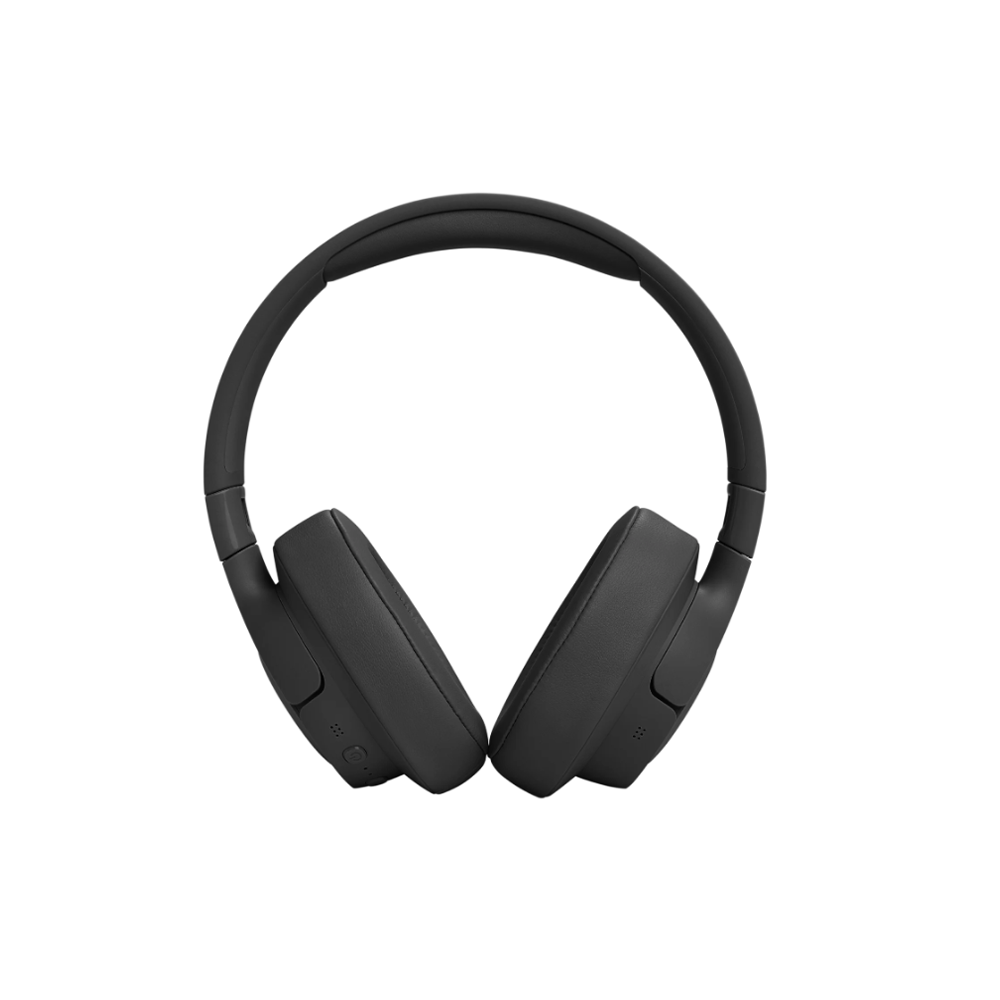
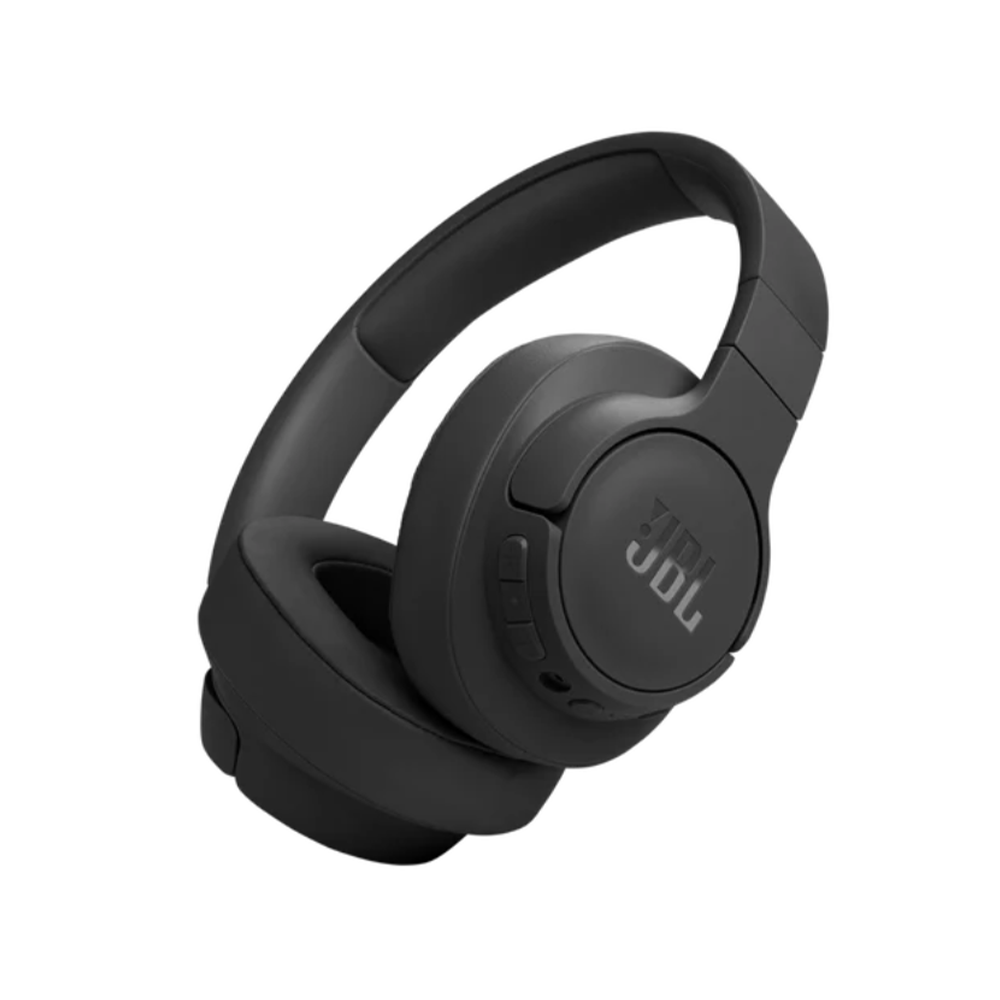
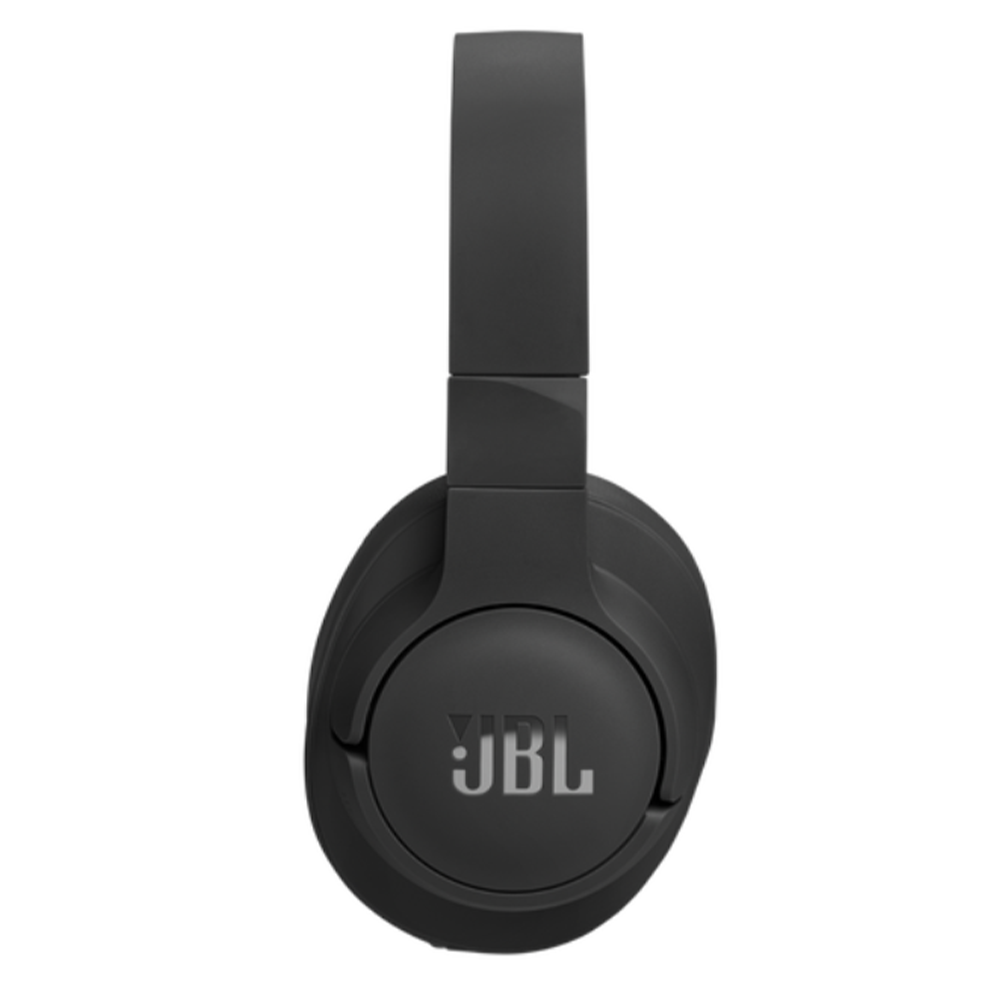
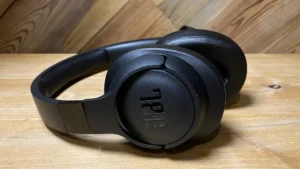
The Tune 770NC headphones are available in black, blue, lavender, or white. They sport large earcups with generous cushioning and a headband with ample padding, both of which help ensure a comfortable fit. Internal 40mm dynamic drivers combine for a frequency range of 20Hz to 20kHz.
As for connectivity, the headphones are compatible with Bluetooth 5.3 (JBL promises an eventual LE update), work with the AAC and SBC codecs, offer multipoint pairing with up to two devices, and support Google Fast Pair. The Soundcore Space One headphones have an advantage here for Android users since they also offer the hi-res LDAC codec.
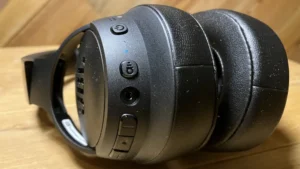
The right earcup houses all of the physical controls along its side panel. Here, plus and minus buttons flank a central multifunction button. The plus and minus buttons handle both volume (short press) and track navigation (long press). I’m never a fan of combining these functions since it makes it easy to accidentally skip a track when you want to adjust the volume or vice versa. Press the middle button once to control playback or hold it down to activate your voice assistant. You can switch your device’s default assistant to Alexa via the companion app, but voice commands don’t work without pressing the button or without the Alexa app open. A single press also answers or ends a call, while a long press mutes your mic on an active call.
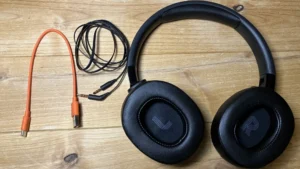
The right earcup also houses a connection for the included 3.5mm audio cable. The headphones support both active and passive wired listening. ANC and Ambient Aware modes are still available for active listening, though you won’t be able to establish a Bluetooth connection. If you unplug the headphones while they are on, they will automatically connect to the last active, in-range Bluetooth device.
An orange USB-A-to-USB-C charging cable connects to the USB-C port along the top edge of the right earcup. JBL estimates that the Tune 770NC headphones can last roughly 44 hours with ANC on or 70 hours with ANC off per charge, but your results will vary based on your volume levels. In their wired active mode with ANC on, expect about 30 hours of power. The battery takes 2 hours to fully charge from empty, and 3 minutes of charging should get you roughly 3 hours of playback (with ANC off). These numbers beat those for the Space One headphones, which last 40 hours with ANC on and 55 hours with it off.
Other than the two cables, JBL does not include any other accessories with the 770NC, which means no bag or carrying case.
Sculpted sound with excellent bass
I turned off all the EQ options to test the audio capabilities of the Tune 770NC. On tracks with intense sub-bass content, like The Knife’s “Silent Shout,” the drivers deliver an exceptionally powerful low-frequency response. As mentioned, you can further boost the bass via the EQ. The bass doesn’t distort or thin out at top volumes and remains full-bodied at more moderate levels.
The headphones have no trouble reproducing the sub-bass at the 34-second mark of Kendrick Lamar’s “Loyalty.” Every note in this progression gets a palpable subwoofer-like rumble, though the final, deepest note does drop off in volume a bit. The various vocals exhibit excellent high-frequency clarity and never struggle for space in the mix.
The drums on Bill Callahan’s “Drover,” a track with far less deep bass, aren’t overly thunderous but do get a notable heft. Callahan’s baritone vocals receive a pleasant blend of low-mid richness and crisp clarity in the high-mids. Meanwhile, the acoustic strums and higher-register percussive hits are bright and detailed. The sculpting here means the mids take a step back, though you can restore them somewhat via the in-app EQ.
On orchestral tracks, like the opening scene from John Adams’ The Gospel According to the Other Mary, the headphones maintain a semblance of balance despite pushing the lower-register instrumentation forward. The higher-register brass, strings, and vocals are slightly accentuated as well. This presentation isn’t necessarily accurate, but plenty of listeners should enjoy the mix of enhanced lows and crisp highs.
The voice mic array works fine, and I could understand every word from a test recording on my iPhone. The signal strength is about what I expect from over-ear headphones in this price range.
| product-brand |
|---|